%3Aformat(webp)%2Fheader_media%2F0b64d9d0-989f-4afd-afa7-96c24bcd0e95-standard_compressed_northbrookisland_fj_1_.jpeg&w=1920&q=75)
Northwest Russia and Franz Joseph Land
Closed during the Cold War, these rugged glacial islands can now be explored
Information about Northwest Russia and Franz Joseph Land
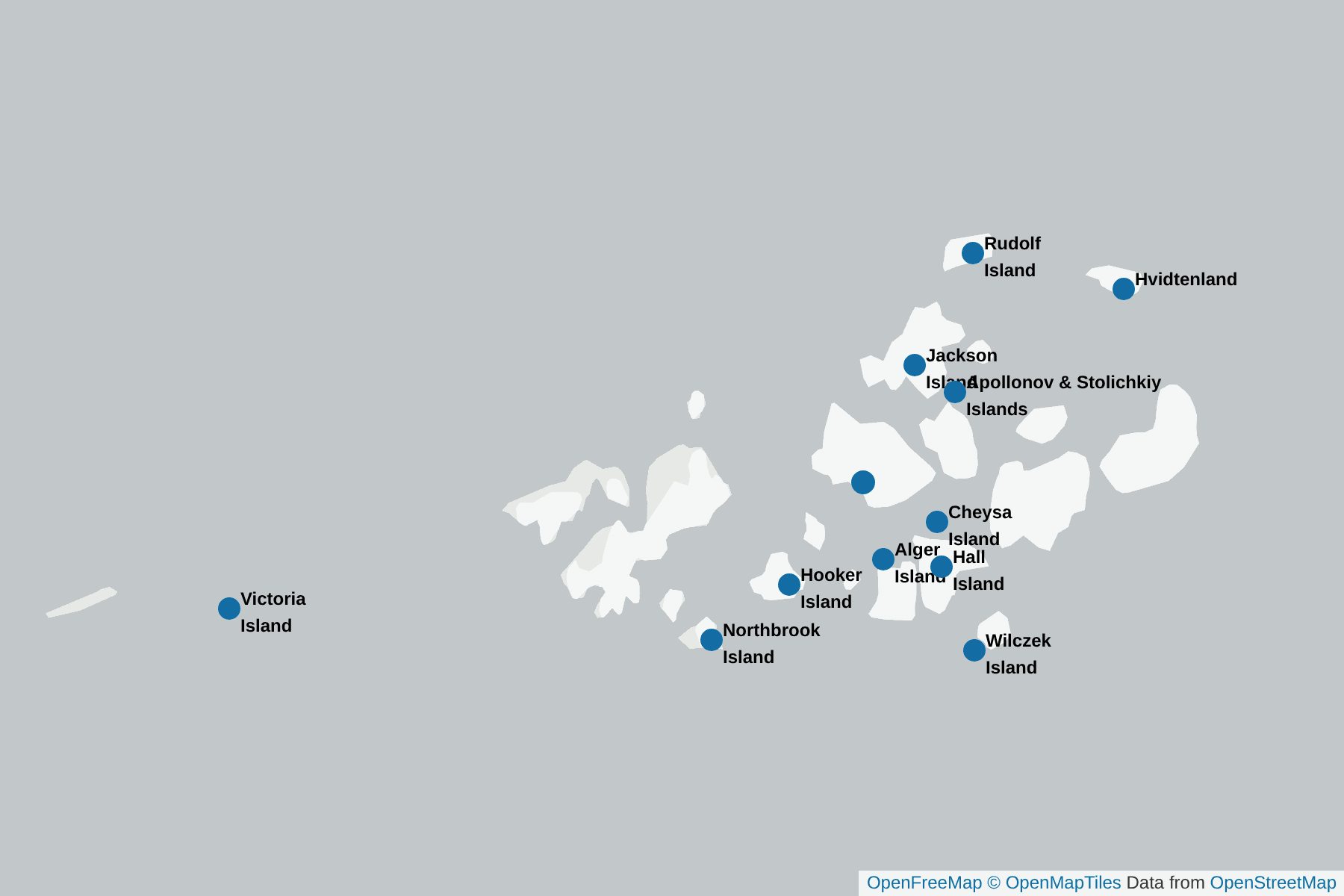
The remote Arctic archipelago of Franz Joseph Land has only been available for exploration since the 1990s. Following the Second World War, the Soviet Union placed great importance on Franz Joseph Land as a military asset, treating it as "an unsinkable aircraft carrier" in the Arctic ocean.
Swathed in secrecy, and only accessible to military personnel, the archipelago remained a mystery until only 30 years ago. Now, Arctic expedition cruises can visit this remote land of glaciers and rugged hills that lies only 550 miles from the North Pole.
While still home to a fully-operational and quite active military base (Russia's northernmost), the archipelago is also a haven for wildlife and is a designated marine mammal sanctuary. Species readily encountered here include harp seals, walrus, and bearded seals. A particular highlight is the critically endangered bowhead whale, for which Franz Joseph Land is an important habitat. If you are lucky, you may also see a Narwhal, that is scarce in Svalbard. In contrast, there are no reindeer here. As with Svalbard, Franz Joseph land is a good place to look for Polar Bears.
Most of the cruise ships that head up to the North Pole pass through Franz Joseph Land.
Interesting facts about Northwest Russia and Franz Joseph Land
Our expert guide says: 'The geography of Franz Joseph Land is stunning, with over 80& of the landmass being covered in glaciers. Reaching the archipelago is can be a challenge and the ice conditions in remoter parts of the archipelago can restrict most vessels except nuclear-powered ice breakers. If you do make it, then a sighting of the endangered bowhead whale will have made the effort worth it.'Our expert guide says: 'Franz Joseph Land is a great place to spot the elusive bowhead whale. Another fantastic wildlife encounter could be with the "unicorn of the sea", the remarkable narwhal, the toothed whale with the iconic tusk.'
Pictures of Northwest Russia and Franz Joseph Land
%3Aformat(webp)%2Fheader_media%2Fcbf2ed88-05ed-4a73-aecb-0f50c8fd0429-32093547275_fbda3cb8dc_b.jpeg&w=1920&q=75)
%3Aformat(webp)%2Fheader_media%2F9a63a6fc-8931-4059-9ae7-b44ff4e2b669-31975598411_f78a018c33_b.jpeg&w=1920&q=75)
+1
%3Aformat(webp)%2Fheader_media%2F0b64d9d0-989f-4afd-afa7-96c24bcd0e95-standard_compressed_northbrookisland_fj_1_.jpeg&w=1920&q=75)
Our highlights in Northwest Russia and Franz Joseph Land
%3Aformat(webp)%2Fheader_media%2F0b64d9d0-989f-4afd-afa7-96c24bcd0e95-standard_compressed_northbrookisland_fj_1_.jpeg&w=1920&q=75)
%3Aformat(webp)%2Fheader_media%2Fac13152f-6932-4a56-af64-2e4c39a055db-19660158215_dea8802187_o.jpg&w=1920&q=75)
%3Aformat(webp)%2Fheader_media%2F3367888c-24be-4770-ba49-ff569e28c06c--_-_-_-_-_-_-.jpg&w=1920&q=75)
%3Aformat(webp)%2Fhighlight%2Fc3161e34-bc0b-4ca0-b0e2-a325400e99a9-32054684756_9888d31b62_o.jpg&w=1920&q=75)
%3Aformat(webp)%2Fheader_media%2Fc7df49d8-00eb-44a4-82a3-860f90a9f069-quarkexpeditions_threearcticislands-northbound_arctic-ocean-atlantic-svalbald-bird-arctic-tern_credit-nickysouness.jpg&w=1920&q=75)
%3Aformat(webp)%2Fheader_media%2F5cce86c7-6d5a-47b9-bf66-e56c690e5fe8-19472839279_a2a821cace_o.jpg&w=1920&q=75)
%3Aformat(webp)%2Fheader_media%2F566ceee9-bcc1-41d0-a825-0703498279d6-14786406686_147d61bb36_o.jpg&w=1920&q=75)
%3Aformat(webp)%2Fheader_media%2Fbf193fb3-469b-4e09-9b68-ccc6fcd38f25-19438003538_5da24b0b35_o.jpg&w=1920&q=75)
%3Aformat(webp)%2Fheader_media%2F127d796a-d27b-4d4d-ae35-85b147702646-hall_island-_bering_sea.jpeg&w=1920&q=75)
%3Aformat(webp)%2Fheader_media%2Fbb49269e-24c2-4601-8079-b347abda18a8-quarkexpeditions_jewels-russian-arctic_the-shokalskiy-gletcher---russkaya-bay-credit---irina-skalina.jpg&w=1920&q=75)
%3Aformat(webp)%2Ftrip%2F6a7a6d97-2c63-479f-b018-dba601f918e7-arctic-svalbard-wildlife-walrus.jpg&w=1920&q=75)
%3Aformat(webp)%2Fheader_media%2F1510bcc0-df0f-40ec-b25c-31c5f8a092cc-36999723926_7c50c3ffa7_o.jpg&w=1920&q=75)
%3Aformat(webp)%2Fheader_media%2Fc79d6dfb-fc40-4d5c-95d5-8af07e551df3-quark-expeditions_north-pole_the-ultimate-arctic-adventure_sam-crimmin-np-2015-v3-9591.jpg&w=1920&q=75)
%3Aformat(webp)%2Fheader_media%2Ff2478ac2-b5a6-4086-b4dd-c10f30ed0143-pexels-photo-4641177.jpeg&w=1920&q=75)
%3Aformat(webp)%2Fheader_media%2Fe873137b-493b-496a-809b-a2c227120074-adelie_penguin.jpeg&w=1920&q=75)
%3Aformat(webp)%2Fheader_media%2Fd8691e12-e8d3-4ca2-8b17-09dabaf2221c-arctic-tern-wikipedia-.jpg&w=1920&q=75)
%3Aformat(webp)%2Fheader_media%2F2f21b357-6437-45fb-b290-f06e28fc9687-bearded-seal-oceanwide-expeditions-.jpeg&w=1920&q=75)
%3Aformat(webp)%2Fanimal%2Fac74dfba-5725-4c47-b657-15836f546bb4-beluga.jpeg&w=1920&q=75)
%3Aformat(webp)%2Fheader_media%2F55623291-da7c-4e7a-849a-7780b094d8e1-5068862567_11e4b395ef_b.jpeg&w=1920&q=75)
%3Aformat(webp)%2Fheader_media%2F1146848a-e64f-453d-848b-447a24628c41-42262496114_d98f967cde_b.jpeg&w=1920&q=75)
%3Aformat(webp)%2Fheader_media%2F20660e40-54dc-4816-b1ec-a35aeda6eb7d-bowhead-whale.jpg&w=1920&q=75)
%3Aformat(webp)%2Fheader_media%2F2a19c1eb-d039-4e90-9183-c75c54933ee0-common_eider_male_at_jones_beach_-04702-.jpeg&w=1920&q=75)
%3Aformat(webp)%2Fheader_media%2F91d2ddf5-f026-40ec-8097-2029bbca4186-fin-or-finback-whale.jpg&w=1920&q=75)
%3Aformat(webp)%2Fheader_media%2Fd4f10d97-cbb1-4f2f-aa2e-4433a5a9a896-glaucous_gull_-larus_hyperboreus-_with_offspring-_liefdefjord-_svalbard.jpeg&w=1920&q=75)
%3Aformat(webp)%2Fanimal%2F7d3df675-f041-46b5-bbcb-4cf6dc511353-download.jpeg&w=1920&q=75)
%3Aformat(webp)%2Fheader_media%2F11d5a10f-4e3f-41e2-8633-f27cbd833396-humpback-whale.jpeg&w=1920&q=75)