%3Aformat(webp)%2Ftrip%2Ffcd0745b-e851-4309-828a-95dbeaa40814-greenland_acaciajohnson_6.jpg&w=1920&q=75)
What to Pack for Your Polar Cruise?
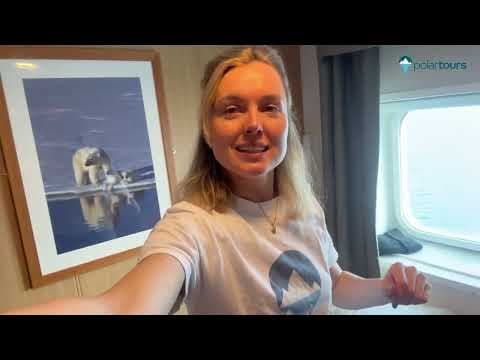
Packing for a trip to Antarctica or the Arctic can feel overwhelming, especially if it's your first expedition cruise. The good news? You don't need as much as you might think.
Before diving into our complete packing checklist below, watch this video from Celia Smith, Travel Specialist at Polar Tours, where she shares exactly what she packed for her own 8-day Arctic expedition cruise. Since the clothing and equipment required for the Arctic and Antarctica are almost identical, her packing tips apply to both destinations.
In the video, Celia covers:
- The best layering system for staying warm and comfortable
- How to pack light without forgetting the essentials
- The must-have items for every polar expedition, including binoculars, ski goggles, dry bags, and reusable water bottles
- Camera gear, travel essentials, and practical packing tips
- What you'll be glad you packed
Once you've watched the video, use the comprehensive packing list below as your go-to checklist while preparing for your adventure.
Please note: While all of our expedition cruises provide waterproof boots, not every voyage includes an expedition parka. If you're unsure what's included on your trip, simply ask your Polar Tours travel specialist.
Paperwork
- Passport (valid more than six months past entry date!)
- A copy of this booking confirmation & other bookings you made
- A copy of your international health insurance and travel insurance
Equipment
- Water proof Pants: Lightweight waterproof pants in a pull-on style that can be worn over a warm insulating layer are best.
- Core Jacket
- Waterproof and Windproof Jacket — This will act as your outer layer.
- Insulating Base Layers — Pack a couple of warm base layers made from moisture-wicking fabrics such as polyester, polypropylene, and Merino/Smartwool/etc. Layers are key to keeping warm in these sub-zero regions.
- Warm Socks — Lots of them. Merino/Smartwool is recommended for durability, warmth, and long-term value.
- Two pairs of waterproof gloves or mittens
- Neck gaiter or scarf
- Warm windproof hat that covers ears
- High Factor Sunscreen — The ozone layer is at its thinnest above the polar regions, and there's significant glare from the white snow and ice. This is a must.
- Polarized sunglasses with retainer strap high UV protection
- Everyday clothes to wear onboard.
- Slip-on footwear for quick deck access There are lots of opportunities to see seabirds and marine life from out on deck. You don't want to risk missing a pod of orcas because you had to lace your shoes.
- Swimsuit (if you want to do the Polar Plunge)
- Sandals
- A nice outfit for the Captain's dinner (if included in your itinerary)
- Workout clothes if your ship has a gym
- Small backpack or daypack, ieally waterproof
- Reusable water bottle
- Dry bags for camera and electronics
- Waterproof phone pouch
- Binoculars
Miscellaneous
- Approx. $300US in cash (smaller than $100 bills)
- Camera with memory cards and spare batteries and protective bag
- Seasickness medication
- Imodium loperamide for diarrhea
- Lip balm SPF 30+
- Small personal first-aid kit
- Prescription medications in original packaging in carry-on
- Earplugs
- Journal
- Book
- Downloaded movies or playlists
- Credit card
Advice
Do not bring traveler's checks, notify your bank that you will be traveling, and if advised start seasickness medication before sailing. You will need your passport to board the ship; however, for day excursions from your hotel we recommend leaving it locked in your room and carrying a photocopy instead. While this may not always align with local ID rules, it is generally preferable to explain at a police station that your passport was secured at the hotel than to report it stolen.
Visit this page to read about 'Weather and Seasons in Antarctica'.
Our best sellers
%3Aformat(webp)%2Ftrip%2F741d0c7a-589f-453e-b98c-15ca651bfd26-acaciajohnson_quarkcatalog_gentoos_1.jpg&w=1920&q=75)
%3Aformat(webp)%2Fplatforms%2F5c8fabd2-e76d-47db-9f7a-6c6cfc2c2dc2-2020-03_quest_for_the_antarctic_circle-287.jpg&w=1920&q=75)
%3Aformat(webp)%2Fc014bab4-d739-419a-a7d7-b8012d62eea5-antarctica21-magellan-explorer-144-of-222-.jpg&w=1920&q=75)
%3Aformat(webp)%2Fheader_media%2F0c370e00-0123-42c3-87ad-12de3fc74516-14933671459_334226cde1_o.jpg&w=1920&q=75)