%3Aformat(webp)%2Fheader_media%2F64c9d2ee-8e26-4a9e-a58f-29d03a3332e4-snowy-owl-oceanwide-.jpeg&w=1920&q=75)
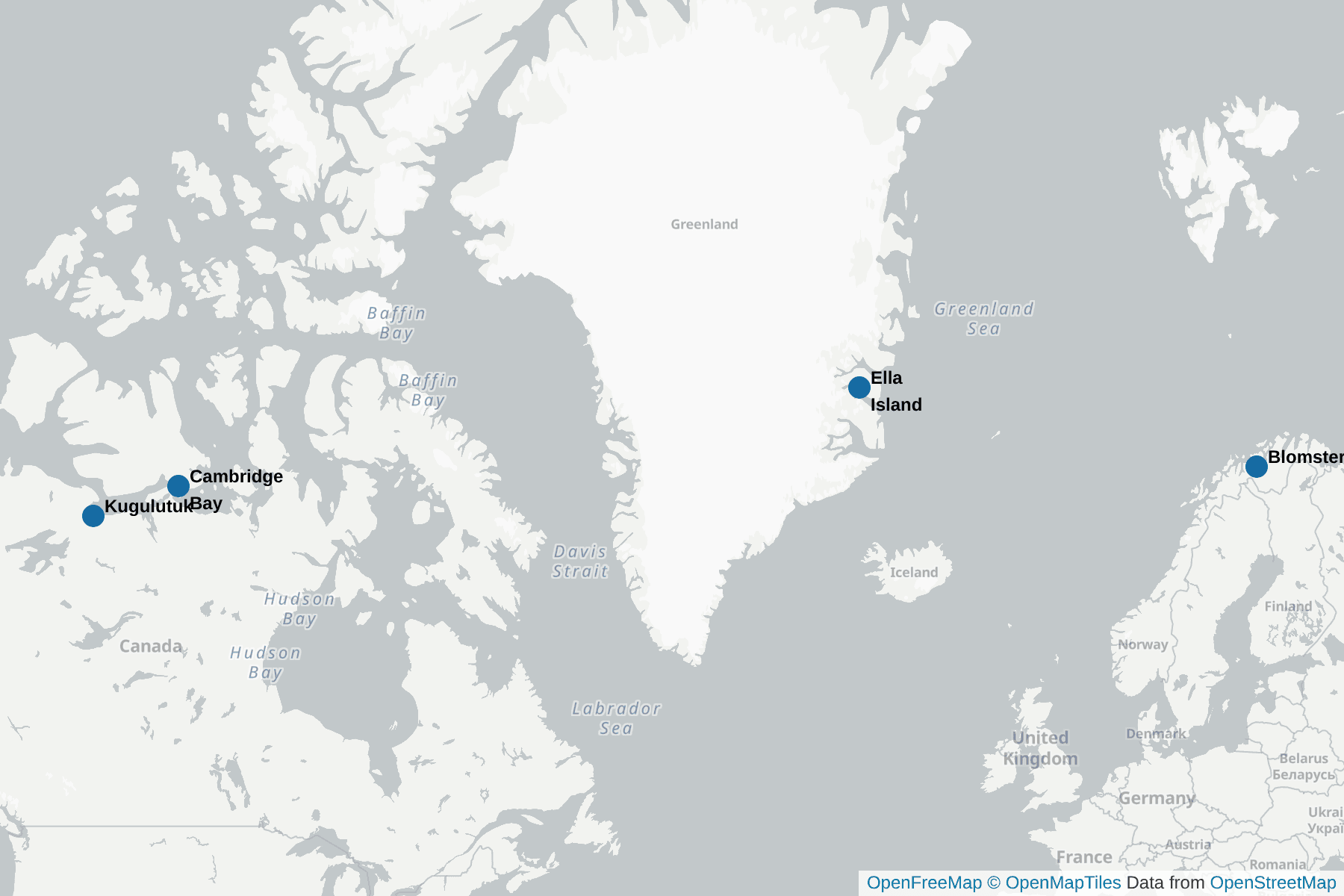
Our Expert Says… "You don't see Snowy Owls on Svalbard trips because there are no lemmings here. Snowy Owls are so specialized in hunting the creatures that you don't find them anywhere there isn't a lemming population. The best encounters are to be had when exploring Greenland."
The snowy owl is the iconic owl species of the Arctic region. Sometimes called the polar owl or Arctic own, the snowy owl is one of the only true owls with mainly white plumage and is one of the world’s largest owls. Females are larger than males and can weigh over 2.2kg (5lb), stand up to 71cm (28”) tall, and have wingspans of over 1.5m (5ft).
Snowy owls are tundra specialists and have several adaptations to this environment. Unlike many owls, snowy owls are active during the day, especially in summer. They are nomadic birds, rarely breeding in the same place, and they will not breed at all if the prey population is low.
Although they have a wide variety of prey outside of the breeding season, their breeding success is tied closely to the population of the tundra-dwelling rodent the lemming. They are also migratory birds, and populations can move from north to south virtually anywhere in the arctic region.
In years where prey is plentiful, the snowy owl population can see increases in population due to reduced chick mortality that can cause the birds to extend their winter ranges much further south than usual. In the Arctic summer, they are found north of 60 degrees latitude anywhere there is open tundra.
These habits make it difficult to assess the population, but the latest estimates put their numbers at fewer than 100,000 individuals worldwide, with possibly fewer than 40,000 breeding pairs. This makes their current conservation status “vulnerable”.
Snowy Owls are so specialized in hunting the creatures that you don't find them breeding anywhere there isn't a lemming population.
%3Aformat(webp)%2Fheader_media%2F64c9d2ee-8e26-4a9e-a58f-29d03a3332e4-snowy-owl-oceanwide-.jpeg&w=1920&q=75)
%3Aformat(webp)%2Fheader_media%2Fabc90215-7e0c-4575-ba3b-9f01b6819f1f-35156078622_2c4a864e05_o.jpg&w=1920&q=75)
%3Aformat(webp)%2Fheader_media%2F4c69e58a-eb5b-48ed-9d47-12310b1c1145-samedmonds---guests-explore-ilulissat-icefjord-4.jpg&w=1920&q=75)
%3Aformat(webp)%2Fheader_media%2F08e5050e-dc50-4a2c-ab4b-27e8437d7d30-50381959703_636d96e10b_o.jpg&w=1920&q=75)
%3Aformat(webp)%2Fheader_media%2Ff39f29d5-d2ee-46b5-bb27-4c3f1804e580-kugluktuk.jpeg&w=1920&q=75)