%3Aformat(webp)%2Fheader_media%2Fe12070bf-4aaf-400b-b550-d8dc2c2fd92d-2021-11_amsterdam_island_-_subantarctic_fur_seal_76.jpg&w=1920&q=75)
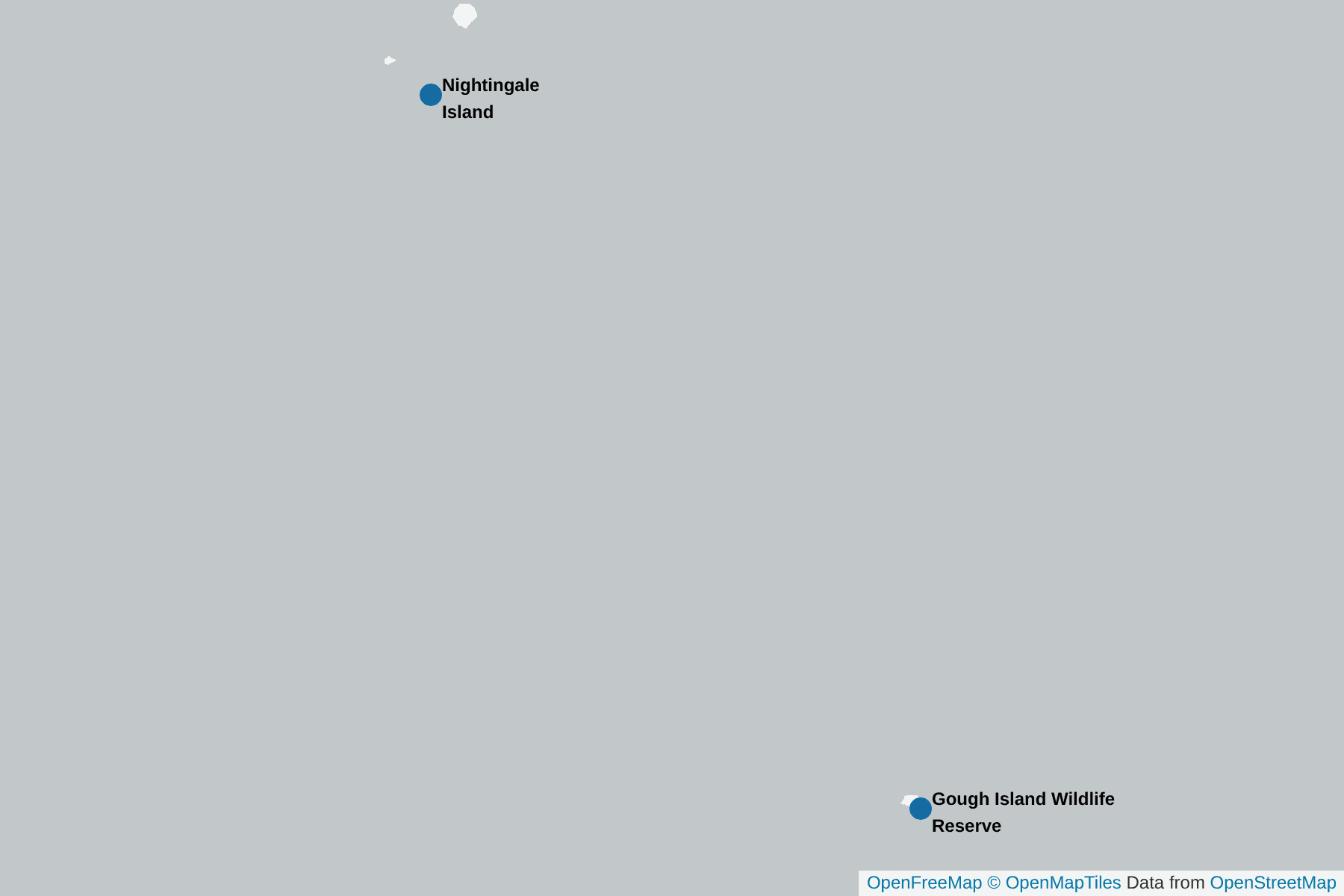
The Subantarctic fur seal (Arctocephalus tropicalis) is a charming marine mammal that graces the shores of islands like Tristan da Cunha and Gough Island. With their thick, velvety fur and endearing orange-brown chests, these seals are agile swimmers and playful hunters, dining on fish and squid. They share some similarities with their cousins, the Antarctic fur seals (Arctocephalus gazella), who live in the icy waters of Antarctica. However, Subantarctic fur seals are a bit smaller and sport more colorful coats. Both species love to gather in bustling colonies and have striking differences between males and females. Thanks to conservation efforts, these delightful seals have made a remarkable comeback from the brink of overhunting, now thriving as essential parts of their unique oceanic homes.
%3Aformat(webp)%2Fheader_media%2Fe12070bf-4aaf-400b-b550-d8dc2c2fd92d-2021-11_amsterdam_island_-_subantarctic_fur_seal_76.jpg&w=1920&q=75)
%3Aformat(webp)%2Ffb006673-5a47-410e-9138-1c425f9e5ffe-gough_bunting_male.jpeg&w=1920&q=75)
%3Aformat(webp)%2Fc28eded2-cfe5-486d-981e-01b9db2c9498-albatrosses_at_the_-ponds-_on_nightingale_island.jpg&w=1920&q=75)