%3Aformat(webp)%2Fheader_media%2Fab31e210-1a67-4df1-a5a3-8483528fb444-greenland_thule_polarbear_224.jpg&w=1920&q=75)
East Spitsbergen and Bear Island, in the realm of Polar Bear & Ice
See Spitsbergen’s dramatic east coast aboard the Ortelius
Best Price Guarantee
Best Price Guarantee
Length
9 Days
Ship category
Classic
Ship type
Small Ships
Capacity
108 Passengers
%3Aformat(webp)%2Fc3b88c57-62cf-405e-88ce-88881ab463d3-juvenile-penguins-with-the-ortelius-in-the-background_trena-repp.jpeg&w=1920&q=75)
%3Aformat(webp)%2Fprovider%2Ff7e8e7d4-7ba6-42d6-8512-ab8f499a3604-ortelius-deck-plan.jpeg&w=1920&q=75)
%3Aformat(webp)%2F42419d7c-bcfe-4f9b-b185-1f7ff16da8e5-ortelius-all-alone_anne-haraldsted.jpeg&w=1920&q=75)
When a wildlife call sends everyone outside, Ortelius is exactly the kind of ship you want beneath your feet: compact, purposeful and surrounded by open deck. We recommend her to travelers who want their polar voyage to feel like an expedition, not a floating hotel. If polished contemporary interiors matter more to you than deck time, lectures and getting out into the landscape, one of the newer ships will suit you better.
That character is real. Ortelius was built in 1989 as Marina Svetaeva, a special-purpose vessel for the Russian Academy of Sciences. The working-ship lines, sturdy corridor … Read more about Ortelius
%3Aformat(webp)%2Fc27bb740-b8ea-4d2d-8ad0-cbdfb5124259-ortelius-triple-porthole-deck-3-cabin-338-oceanwide-expeditions-1-.jpg_eduardus-lee.jpeg&w=1920&q=75)
%3Aformat(webp)%2Fcd546372-e8c5-4301-9cc7-0f832faebc40-superior-cabin-ortelius.jpeg&w=1920&q=75)
%3Aformat(webp)%2Fec028dd3-bd5b-4470-8332-d89094526518-quadruple-cabin-ortelius.jpeg&w=1920&q=75)
%3Aformat(webp)%2Faf90af20-ebe4-4217-b4f6-b8d49c2c3af3-ortelius_twin-deluxe-528-deck-5-monica-salmang-oceanwide-expeditions-3-_bw.jpg_monica-salmang.jpeg&w=1920&q=75)
%3Aformat(webp)%2F1031b52c-483a-44e0-ae62-ff963204ca00-screenshot-2025-05-21-at-12.40.23.png&w=1920&q=75)
%3Aformat(webp)%2F372b3115-2c8f-4651-82e2-616d808788a0-twin-porthole.jpeg&w=1920&q=75)

Lecture Theater

Observation Deck
Zodiac Fleet

Observation Lounge

Medical Services

Bar

Internet/Wifi

Helicopter Landings
Meals on Ortelius match the ship's expedition character: sociable, generous and unpretentious. The dining room brings the group together after time outside, so conversation often moves naturally from the day's wildlife and landings to the next briefing. Recent voyage material shows buffet breakfasts and lunches followed by plated dinners, although exact menus and service can vary by voyage.
What pleasantly surprises many travelers is that the food receives frequent praise despite the ship's workmanlike appearance. Guest feedback describes satisfying meals and particularly enjoyable dinners rather than showy restaurant theatre. Vegetarian or other dietary needs should still be confirmed for the specific departure before booking.
We would not choose Ortelius for multiple restaurants or formal dining. We would choose her for the warm, communal rhythm of eating well with fellow expedition travelers, then heading to the lounge, lecture room or outer deck for whatever the polar day brings next.
When booking online, you can choose the option to "Upgrade to single occupancy". This will guarantee you the whole cabin to yourself, for an additional fee. If you don't select this option, then another traveler of the same sex might be placed into the same cabin with you. Exceptions may apply.
Voyage aboard the indicated vessel as indicated in the itinerary
All meals throughout the voyage aboard the ship including snacks, coffee and tea.
All shore excursions and activities throughout the voyage by Zodiac.
Program of lectures by noted naturalists and leadership by experienced expedition staff.
Free use of snowshoes.
Transfers and baggage handling between the airport, hotels and ship only for those passengers on the group flights to and from Longyearbyen.
All miscellaneous service taxes and port charges throughout the programme.
AECO fees and governmental taxes.
Comprehensive pre-departure material.
Any airfare, whether on scheduled or charter flights
Pre- and post- land arrangements.
Passport and visa expenses.
Government arrival and departure taxes.
Meals ashore.
Baggage, cancellation and personal insurance (which is strongly recommended).
Excess baggage charges and all items of a personal nature such as laundry, bar, beverage charges and telecommunication charges.
The customary gratuity at the end of the voyages for stewards and other service personnel aboard (guidelines will be provided).
Credit Card charges may apply
A fuel surcharge may apply at a later stage. More info
After completing your booking, you will receive an invoice from your travel specialist by email. A deposit of 30% of the trip price is required to secure your booking. Payment can be made through bank transfer or by credit card through a secure payment link.
Full payment is expected 30 days before your trip. Payment can be made in installments.
This trip generates 2.86 t CO₂e. Polartours regularly measures and monitors the carbon footprint of its journeys and actively reduces emissions through sustainable travel design: no unnecessary flights, fewer feeder flights, integration of rail and public transport, and promoting longer stays for a more balanced relationship between travel distance and impact.
From 2018 to 2024, we supported carbon reduction projects equivalent to the emissions generated. Recognizing the limits of traditional offsetting, we now focus on active environmental protection through our own rainforest project, Forest Guardians.
More information on our climate and environmental responsibility: https://www.venturatravel.org/impact
All cruises in the polar regions operate to itineraries that are more-or-less fixed. We say "more or less", because wildlife (breeding, seasonality) and weather always play an important role in routing. Most cruises will offer a range of land-based and water-based activities that you will enjoy at various points in your cruise, including:
All boats carry English speaking, scientifically trained guides. They will lead you on your excursions, allowing you to learn as much as possible about the unique wildlife and habitats of the Polar Regions.
Choosing the right ship for a cruise to Antarctica or the Arctic seems difficult, but it doesn't have to be. Our fleet is over 30 vessels, we are sure that there is the perfect one for you. Please, follow these simple steps, and you will be able to find your ideal ship:
In addition: We work with responsible partners who provide a great experience for their passengers. All of our providers are committed to sustainability and to preserving the beauty of the polar regions. You don’t need to worry about the impact of your cruise, because we’ve already taken care of it.
We love to help people find their dream vacation to the Arctic and Antarctic. Whether you give us a call, contact us via email, or use our website inquiry form, one of our Polar travel experts will be more than happy to answer any questions, recommend ships and itineraries, and walk you through the whole process!
Step 1: Find your perfect trip. If you have already started looking for Polar Cruises, you will have quickly noticed that the sheer amount of options can be quite overwhelming. To help you navigate the countless departures and itineraries that our fleet offers, we have put together a great filter page for Antarctic and Arctic Expedition Cruises. Use this page to filter all trips by price, date, ship category, and even destinations you wish to visit. We update all dates, prices, and availabilities daily, and are proud to host what is doubtlessly the world's most complete collection of information.
Step 2: Found something you love? We'll hold your spaces, free of charge! If you find a cruise you like, you can either inquire directly with us or make an unbinding booking online. We will then reach out to the shipowners to put a hold on your spaces for a limited time, free of charge. Once we have confirmed your block with the ship, we will send you a written confirmation of your reservation and include full payment details in an invoice. Typically, we are able to hold unpaid reservations for up to 1 week*. This gives us time to clarify all your remaining questions, and also ensures that no other passengers can book your spaces, while we continue our conversation.
Step 3: Confirm your booking. In order to confirm your booking, we ask for a deposit payment. You can pay via bank transfer or credit card. Keep in mind, that we can only hold your spaces for a limited amount of time. If we don't receive your payment after this time, we can no longer guarantee that the places will be available or that the price won't increase. To prevent disappointment, we will automatically cancel your reservation if we don't receive your deposit by the due date stated on your booking reservation.
Step 4: Booking confirmation & Payment. As soon as we have received your deposit and a completed passenger information form, we will be pleased to send your booking confirmation and updated invoice, along with your trip itinerary, important information, and other great tips for your cruise.
Step 5: Final payment. In your initial invoice, we will define a final payment date by when you need to pay us the remaining amount of your trip. Once we have received your final payment we'll send you your cruise documents and voucher. As your trip approaches, we make sure to pass along all necessary information, so you feel super prepared and stress-free.
*For last-minute bookings, we might not be able to hold your spaces for so long. We will also require the full payment of your cruise upon booking.
An expedition cruise to Antarctica or the Arctic is a big deal! Most people plan for this type of trip at least 8 months in advance. This means the earlier you book, the better chance you'll have to reserve your prefered cabins. Early bird discounts are also popular and a great way to get 10-30% off your cruise.
Most expedition cruises offer optional activities like camping and kayaking, but the spaces are limited. A cruise with 120 passengers can have only 10-15 spaces for kayaking. These are reserved on a first come first served basis. The earlier you book, the higher your chance of grabbing a spot.
Even though last minute deals do occur, keep in mind that the airline prices will be much higher if you purchase them last minute. You may save a few hundred on your cruise, but you may end up paying the most for airfare.
4.8
(27)
Price
Upon Request
27 Reviews
Visit a bird lover’s paradise
Hike along majestic northern peaks
View rugged landscapes and dazzling drift ice
Spot seals, walruses & whales in their natural habitats
Best Price Guarantee: Find a better price elsewhere, and we’ll match it.
Polar Expedition Specialists: We focus exclusively on polar voyages, with advice rooted in real, firsthand expertise.
Travel that gives back: Every booking directly funds our mission to protect and restore global rainforests.
The east shores of Spitsbergen are a fantastic place to view gorgeously rugged landscapes and exotic Arctic wildlife, including minke whales, Arctic foxes, and polar bears. And speaking of bears, this exploratory cruise also visits Bear Island – a bird lover’s dream, where large colonies of Brünnich’s guillemots, kittiwakes, and fulmars breed on shoreline cliffs over spans of dazzling drift ice.
Interested in doing something good for the enviroment?
We welcome you to participate in our ongoing effort to remove plastic waste and other rubbish from the shores of Spitsbergen.
Garbage from the ocean, such as fishing gear and plastic litter, piles up on these shores. This litter is hazardous to the animals, which get entangled in fish nets and sometimes ingest micro-plastics that can lead to starvation and suffocation.
Supported by AECO and the governor of Spitsbergen, we enjoy cleaning the beaches of Svalbard with our passengers. All participants will be assisted by our guides and provided with collection bags. About 50 passengers will clean in the morning while the other 50 have their excursion in another area. Then in the afternoon, the groups switch roles. And if we cannot clean a certain area because of roaming bears or other concerns, we will find an alternate area.
Keep in mind this is an expedition cruise, so your itinerary will depend greatly on the weather, amount of ice and wildlife breeding behavior.
%3Aformat(webp)%2Fday_detail%2Fa43e6bcc-6858-498d-9e75-7be32b01c9a3-e4a9dc13-ea43-4ae9-81fd-3602725ac567_1_105_c.jpeg&w=1920&q=75)
%3Aformat(webp)%2Fheader_media%2F0bbe64f2-12be-4274-9bed-808f98cff437-ed90d749-1624-42b1-8350-14a83e962238_1_201_a.jpeg&w=1920&q=75)
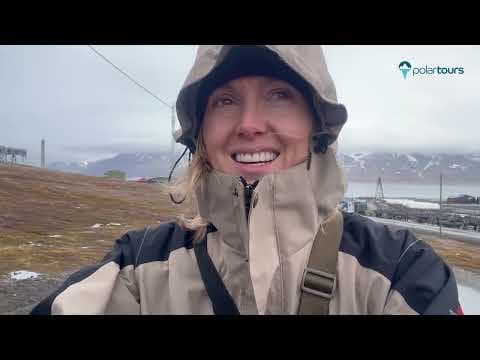
You touch down in Longyearbyen, the administrative center of Spitsbergen, the largest island of the Svalbard archipelago. Enjoy strolling around this former mining town, whose parish church and Svalbard Museum make for fascinating attractions. Though the countryside appears stark, more than a hundred species of plant have been recorded in it.
In the early evening the ship sails out of Isfjorden, where you might spot the first minke whale of your voyage. In the evening you sail for Trygghamna, where you see the remains of a 17th-century English whaling station and 18th-century Pomor hunting station, both of which you can visit the next morning.
%3Aformat(webp)%2Ftrip_version%2Feed85f33-f60f-4d11-b41d-bd3c65055b96-d3f6bcdbd46102d6eab827432dbb566488c64b3a.jpeg&w=1920&q=75)
%3Aformat(webp)%2Ftrip_version%2Fea9c2dc5-313d-480a-a408-6037d8a440f9-174f38c5ac2e60b24f0b45b3180f7d6be7bad388.jpeg&w=1920&q=75)
%3Aformat(webp)%2Ftrip_version%2F43df4879-c0e6-46ca-9dc5-3fffda3af2a2-0315a5e58c54a29e5c7970d8691b1c5b3c287ac0.jpeg&w=1920&q=75)
Isbjørnhamna
We start the day by quietly cruising the side fjords of the spectacular Hornsund area in southern Spitsbergen, enjoying the scenery of towering mountain peaks. The mountain of Hornsundtind rises to 1,431 meters (4,695 feet), while the peak of Bautaen testifies to why early Dutch explorers gave this island the name Spitsbergen, meaning “pointed mountains.”
There are 14 magnificent glaciers in the area, and we have a fair chance of encountering seals and polar bears.
The nearby cliffs of Sofiakammen are also home to thousands of pairs of nesting kittiwakes and little auks, and in the evening, we might see thousands of harp seals rutting on ice floes at Sørkapp.
Long hike - If conditions permit, we land at Treskelodden, then walk from Treskelen to Adriabukta. From there we walk west to Hyrneodden and north to the glacier in Wibewika (about 16 km / 10 miles), where we will be picked up. The other guests will have their program in Brepollen (morning) and Luciakammen or Sofiakammen (afternoon). We might also do this program in reverse.
%3Aformat(webp)%2Fheader_media%2Fc6c0fcbe-def8-48a8-b520-25479a806b38-49857487793_fa303584cf_o.jpg&w=1920&q=75)
%3Aformat(webp)%2Fheader_media%2F36564a85-e923-40c2-b983-6f50216c0bc0-48246899001_9996d36e5d_o.jpg&w=1920&q=75)
We arrive at the southeastern end of Bear Island, a great place for viewing large seabird colonies. The nearby nesting cliffs are part of an extensive nature reserve where large ships are not allowed to bring passengers on shore. Afterward we’ll sail northeast into Sorhamna, where we can get closer to the seabird cliffs. Chiefly Brünnichs guillemots, kittiwakes, and fulmars nest here.
Just north of this, in Kvalrossbukta, we will land and see the remains of a whaling station from early in the previous century. We might also make a landing in a shallow valley, such as Rendalen, and look for (at a safe distance) great skuas, large seabirds known to be fiercely territorial. As we continue north along the east side of Bear Island, we may still encounter dazzling shoals of drift ice.
%3Aformat(webp)%2Fheader_media%2Fd2b34468-239b-47c5-b652-870ceba3a5bc-50376745752_66fd532d63_o.jpg&w=1920&q=75)
%3Aformat(webp)%2Fhighlight%2Fe5e1d10a-975f-4333-b687-242556ec1834-28573972410_0792f55f1f_o.jpg&w=1920&q=75)
%3Aformat(webp)%2Fheader_media%2F440acef3-c7da-482c-9a9b-36f9e377988f-edm-header-1-kayaking-in-spitsbergen-svalbard-al-bakker-1.jpeg&w=1920&q=75)
On the way to Hopen, we may encounter sea ice with rutting harp seals. We land at the southern end of Hopen Island, at Koefoetodden, where you can see the remains of 17th-century whaling sites. Through nearby Bekkeskaret is an easy route to Kvasstoppen (190 meters, 620 feet) and the remains of a plane from World War II. Hopen Radio station is the most remote manned weather station in all of Svalbard.
%3Aformat(webp)%2Fanimal%2F27f03504-78a4-4d6b-9515-226a5acf8ebb-ivory_gull_portrait.jpeg&w=1920&q=75)
%3Aformat(webp)%2Fheader_media%2F1510bcc0-df0f-40ec-b25c-31c5f8a092cc-36999723926_7c50c3ffa7_o.jpg&w=1920&q=75)
Sailing along the western side of the Tusenöyane (where we’re not allowed to land in summer), you may see polar bears and walruses as we approach Risetreppen. This beautiful canyon features an accessible kittiwake colony. During our walk, we may encounter reindeer on the lush tundra.
%3Aformat(webp)%2Fheader_media%2Fa1921d6c-f1f9-468c-85fc-77a5ba0c51a8-quarkexpeditions_spitsbergen-highlights_arctic-ocean-adventurer-norway-svalbald-monico-glacier_credit-nickysouness.jpg&w=1920&q=75)
%3Aformat(webp)%2Ftrip%2F9572b0e6-ead8-4320-82c4-e1c9ca337996-qblget-i.jpg&w=1920&q=75)
At Ardalstangen, we go on shore in an area with lakes and different species of waterfowl. Nearby in Habenichtbukta, we can look from some distance to a wintering site of 18th-century Pomor trappers, who often stayed for years in the same place. Later in the afternoon, we land at the south side of Russebukta, near a tundra with reindeer and great walking opportunities.
Long hike - If conditions permit, we land at Aardalstangen and see Habenichtbukta (and the remains of a Pomor site), then walk into Aardalen. From there we walk north along the mountain to Russebukta (about 17 km / 10.6 miles). This area is teeming with reindeer and wildfowl, and you will have a far-ranging view over the tundra. We might also do this program in reverse.
%3Aformat(webp)%2Fheader_media%2F8f741414-e385-47fc-8f6f-4992f07c4846-quarkexpeditions_spitsbergen-highlights_alkehornet_hiking_svalbard_credit-acaciajohnson_1.jpg&w=1920&q=75)
%3Aformat(webp)%2Fheader_media%2F93f77186-6e10-4ada-83d5-02b4ff9e2919-quarkexpeditions_spitsbergen-highlights_credit-davidmerron-124.jpg&w=1920&q=75)
Isbjørnhamna
Today we aim to land at the mountain of Stellingfjellet, near the largest colony of Brünnich’s guillemots in Spitsbergen. Later in the day, we will make landings at the rarely visited coast of south Spitsbergen, at the bay of Isbukta.
Isbjørnhamna
We continue our voyage in Bell Sund, one of the largest fjord systems in Svalbard. The ocean currents make this area slightly warmer than other areas in the archipelago, which shows in the relatively lush vegetation. Here there are excellent opportunities to enjoy both history and wildlife.
One possibility is Ahlstrandhalvøya, at the mouth of Van Keulenfjorden, where piles of beluga skeletons can be found. These remains of 19th-century whale slaughter are a haunting reminder of the consequences of rampant exploitation. Fortunately, belugas were not hunted into extinction, and you might even see one here. Alternately, we may land at Millarodden at north side of Bell Sund. Here we can see a walrus haul-out site and possibly make an excursion on the tundra of Ingeborgfjellet, with its thousands of little auks.
Long hike - If conditions permit, we land at Recherchelagune and walk along the eastern shore of Recherchefjord, by Laegerneset (17th century whaling station). Our goal is to reach Ahlstrandhalvøya, and from there to Ingebrigtsenbukta. If need be, our Zodiacs can help us at the mouth of the river. We might also do this hike in reverse or land at Ingeborgfjellet, then walk along the coast to the west side of van Muydenbukta, along a shore with many whale skeletons.
%3Aformat(webp)%2Fheader_media%2F8abb5940-11dc-41ad-9126-6fbf896c3a46-article_topimage_svalbard.jpg&w=1920&q=75)
Every adventure, no matter how grand, must eventually come to an end. You disembark in Longyearbyen, taking home memories that will accompany you wherever your next adventure lies.
%3Aformat(webp)%2Fheader_media%2Fa58ded67-3ef7-4e5c-8014-d789801ab2ac-purple-sandpiper.jpg&w=1920&q=75)
%3Aformat(webp)%2Fheader_media%2F1146848a-e64f-453d-848b-447a24628c41-42262496114_d98f967cde_b.jpeg&w=1920&q=75)
%3Aformat(webp)%2Fheader_media%2F0cc5dc20-0024-4f66-9d03-b77060753a9a-snow-bunting-oceanwide-.jpeg&w=1920&q=75)
%3Aformat(webp)%2Fanimal%2Fac74dfba-5725-4c47-b657-15836f546bb4-beluga.jpeg&w=1920&q=75)
%3Aformat(webp)%2Fheader_media%2Fd8691e12-e8d3-4ca2-8b17-09dabaf2221c-arctic-tern-wikipedia-.jpg&w=1920&q=75)
%3Aformat(webp)%2Fheader_media%2F314295d7-d8da-4e8a-855f-a23877c20e01-little-auk-dovekie-oceanwide-.jpeg&w=1920&q=75)
%3Aformat(webp)%2Fheader_media%2F11625bb4-efeb-4aee-819b-afee907089f2-scotland_isle_of_st_kilda_puffin_002_ss.jpg&w=1920&q=75)
%3Aformat(webp)%2Fheader_media%2Fd4f10d97-cbb1-4f2f-aa2e-4433a5a9a896-glaucous_gull_-larus_hyperboreus-_with_offspring-_liefdefjord-_svalbard.jpeg&w=1920&q=75)
%3Aformat(webp)%2Fheader_media%2F19ff55e6-ec5f-430f-8535-ab1eb93db52e-arctic-fox.jpg&w=1920&q=75)
%3Aformat(webp)%2Fheader_media%2Fa485cebf-025d-47ee-9d29-a37800e267cd-reindeer-oceanwide-.jpeg&w=1920&q=75)
%3Aformat(webp)%2Fheader_media%2F55623291-da7c-4e7a-849a-7780b094d8e1-5068862567_11e4b395ef_b.jpeg&w=1920&q=75)
%3Aformat(webp)%2Fheader_media%2Fecfd1dd1-3782-400f-97ac-7043a4d94716-thick-billed-murre-or-brunnich-s-guillemot-pixnio-.jpg&w=1920&q=75)
%3Aformat(webp)%2Fheader_media%2F7c25aa03-8011-4318-9245-7551c8360d35-barnacle-goose.jpg&w=1920&q=75)
%3Aformat(webp)%2Fheader_media%2F971912a3-b0f8-4248-8dca-31bbb270284c-anser_brachyrhynchus.jpeg&w=1920&q=75)
%3Aformat(webp)%2Fheader_media%2F8011ab05-ee00-41cd-8865-7241dda5c4a8-parasitic-jaeger-or-arctic-skua.jpg&w=1920&q=75)
%3Aformat(webp)%2Fanimal%2F936bafae-8faf-42c0-a8fb-36d73a27d5d3-polar_bear_anwr_1.jpg&w=1920&q=75)
%3Aformat(webp)%2Fanimal%2F6a11b62d-1e58-437f-a426-8202d654fabd-walrus-pixnio-.jpg&w=1920&q=75)
%3Aformat(webp)%2Fheader_media%2F2a19c1eb-d039-4e90-9183-c75c54933ee0-common_eider_male_at_jones_beach_-04702-.jpeg&w=1920&q=75)
%3Aformat(webp)%2Fheader_media%2F66bc8ae9-172a-42a3-8819-69f0a5374be5-chick_and_adult_antarctic_tern.jpg&w=1920&q=75)
%3Aformat(webp)%2Fheader_media%2Fee9614a2-8fcc-49fc-bbb6-9f89d52c620a-king-eider.jpg&w=1920&q=75)
%3Aformat(webp)%2Fanimal%2F0d5dc4b9-16d1-4194-b934-394c4f3648fc-23220c6b19d7c8b58883bd5e7020492f28372ba0.jpeg&w=1920&q=75)
%3Aformat(webp)%2Fhighlight%2F28e7680c-4f1d-4b0b-bb41-94227f73f666-51280728853_a6da639c9b_o.jpg&w=1920&q=75)
%3Aformat(webp)%2Ftrip_version%2F238de152-12b2-4991-9bf7-b67f8068051b-c76afef46c29dde475b6556645097fa40767ff13.jpeg&w=1920&q=75)
%3Aformat(webp)%2F42419d7c-bcfe-4f9b-b185-1f7ff16da8e5-ortelius-all-alone_anne-haraldsted.jpeg&w=1920&q=75)
%3Aformat(webp)%2Ftrip%2Fc7b1b408-a317-42ec-872a-cf2b98d28da4-pol0065-south-spitsbergen-glacier-zodiac.jpg&w=1920&q=75)